
When Jonas Fischer sells a €2,400 woodworking machine through a German classifieds marketplace, the money takes three stops. The buyer sends it to the platform, the machine is collected and checked, and the platform pays Fischer minus its fee, usually two days after pickup. “The first time, I thought the money was lost,” Fischer said. “The second time, I stopped watching the bank account.” The route the money takes is the business model.
Every marketplace that touches a payment makes the same three decisions: who holds the funds, when the seller gets paid, and what the fee buys. A classifieds site in Bristol charges nothing and leaves money alone. A furniture marketplace in Melbourne takes 8 percent and holds funds for 48 hours. The choices follow the risk in the category rather than any grand theory.
Holding the money
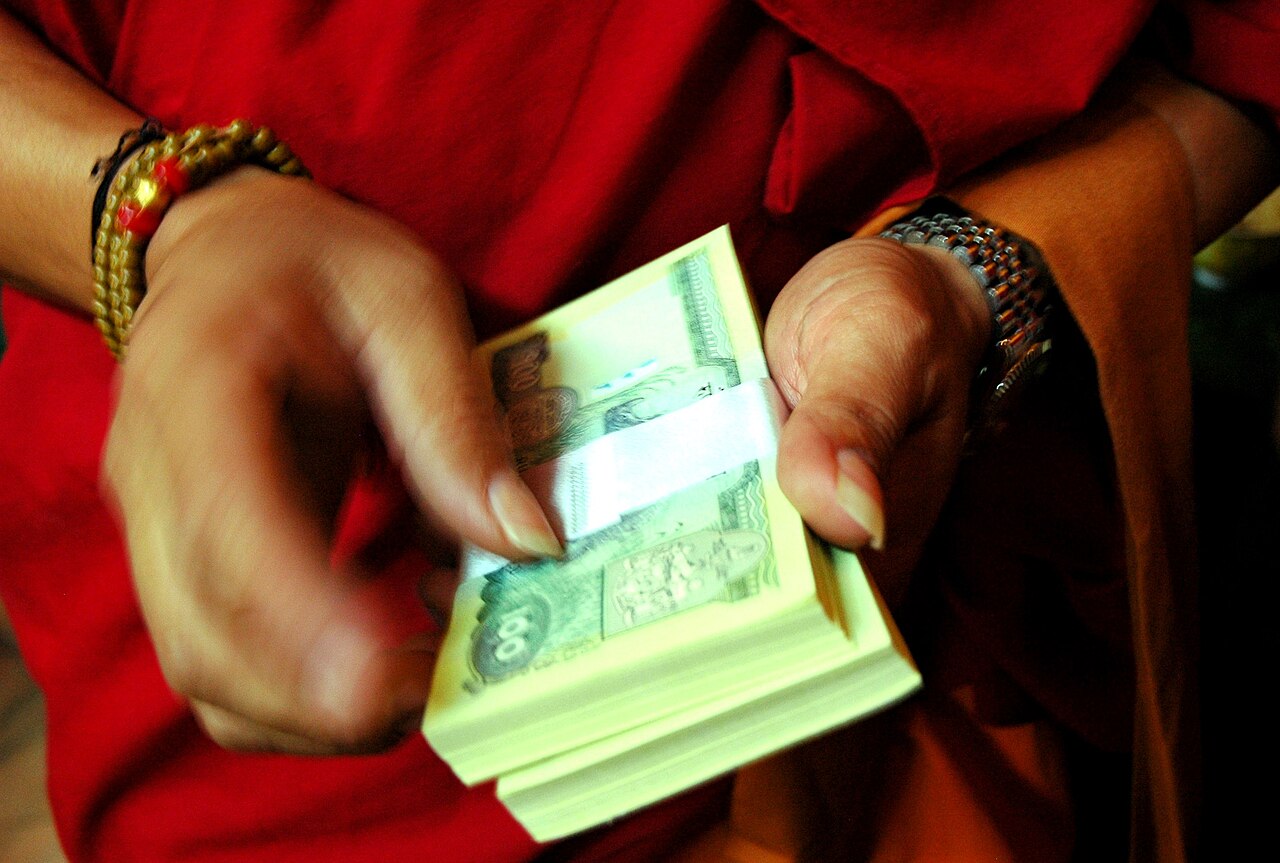

Pure classifieds sites never touch the cash. Buyers and sellers settle by bank transfer or cash on collection, and the site sells listings, badges, and bumps. It is a clean model until a buyer sends money for an item that does not exist. Then the site owns a complaint it cannot settle.
Markets that hold funds sit further along the risk line. The holding arrangement varies by size. Large platforms use licensed payment institutions. A small marketplace in Rotterdam keeps a separate business account and releases money by hand after the buyer confirms delivery. Its owner, who asked not to be named, called it “escrow with a spreadsheet,” and said the account is audited yearly because Dutch rules treat it as client money.
Fees and what they buy
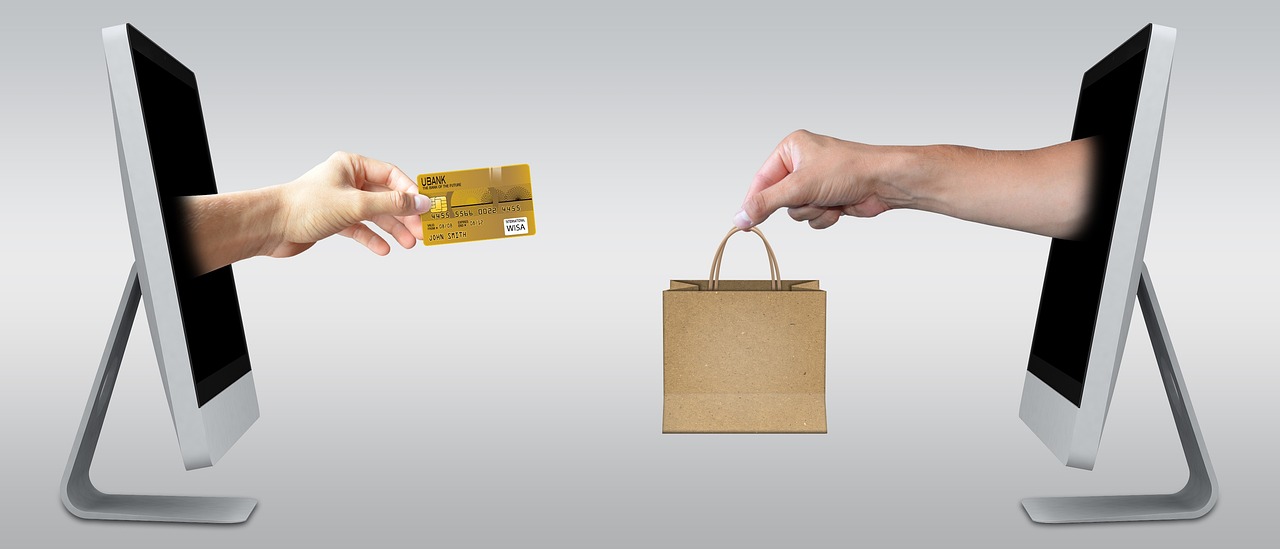
Fees cluster around two shapes: a flat listing charge and a percentage of the sale. Small marketplaces lean flat because it is simple to explain. A motorcycle-parts site in Rotterdam takes 4 percent, capped at €40, and its owner checks the fee against disputes monthly. “If I raise the fee, I owe people more when something goes wrong,” he said. “That is the trade.”
Flat fees hide a fairness problem of their own. A €12 listing charge is trivial on a €2,400 machine and real on a €40 hand tool, so a flat-charging site drifts toward expensive categories. A tool marketplace in Lille added a €2 tier for small items in 2024. Listings of drill bits and hand tools rose 60 percent that quarter.
The percentage works when the platform does something visible for it. On Jonas Fischer’s marketplace, the fee buys payment handling, a receipt, and a claims process. When a buyer claimed a machine was damaged in transit last year, the platform kept the money in place for nine days, asked both sides for photos, and split the loss. Fischer grumbled about the nine days and sold his next four machines there anyway.
Where it goes wrong


Payout timing breaks more relationships than fees do. Sellers who wait a week for money they can see in the app complain in public, and a marketplace’s reputation lives in those threads. The platforms that hold funds well publish their payout schedule in plain numbers and hit it.
Fraud sets the ceiling. Once a marketplace holds money, counterfeit sellers target it, and the operator inherits chargebacks, identity checks, and conversations with a bank. A site operator in Ohio who asked not to be named put the cost at two days a month. “The fee pays for trust,” she said. “Trust is staff, and staff is Tuesday mornings.”